Showing posts with label Namibia Activities. Show all posts

Wednesday, September 20, 2017

Everything is exciting about Lake Oanob.

The Lake Itself...


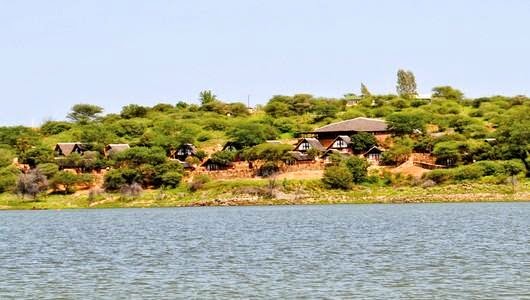
Situated on 6200 hectares in the beautiful Hardap Region and only 100 kilometres south of Windhoek. Open all-season, Lake Oanob Resort offers superb lake views, genuine, heart-felt hospitality and is the perfect place to relax and be invigorated.

Accommodation...


The Lake Oanob Resort offers many different types of accommodations. From Luxury Chalets to En-Suite rooms and Family Rooms over to a Special Suite and different Campsites as well. Most of our accommodation are situated by the Lake site.

Activities...


Some activities you can enjoy year-round include game drives, hiking, boat rides, canoeing, aqua cycling, giraffe pool bar, swimming in our outdoor pools or in the lake.


Friday, March 18, 2016

Pick an Adventure...

Land, air and water-based adventures include quadbiking, 4x4 trails, hiking, birding, skydiving, kayaking, windsurfing and kite boarding along the coast.
The adventures don't stop there. Getting introduced to indigenous people whose cultures are unrecognizable to most of the world, eating mushrooms as they emerge from termite mounds, being mesmerized by ancient rock art work at Twyfelfontein, Namibia's only World Heritage Site, and taking time to listen to the silence are amongst the adventures of the mind, body and soul awaiting you in Namibia. 

Land:

4x4
Although Namibia is easily accessible some regions do lend themselves to some serious "off-roading" drivers need to know their stuff. These 4x4 experiences are offered as either guided or self-drive tours, with some off the best found in the sand of the Namib Desert. Operators like Coast Way Tours offer guided self-drive tours all the way from Luderitz to Walvis Bay, exploring the barren sandy coast.
Slow driving over rocky tracks, sandy stretches and plenty of sunshine are conditions that should be expected. The same goes for ending the day with a beautiful campfire and lively discussions.


Birding
For the enthusiastic birder to Namibia, the vast variety of both resident and migratory birds can only be exciting. Most bird species favor specific habitats above others and thus Namibia is blessed with a variety of birding destinations where the keen twitcher can satisfy their interests by sighting and recording new species. Some species are sighted more regularly when water and food sources are not in abundance, however some locations like Etosha are much more viable for birding during the rainy season than that of game viewing. Stable water sources during the early months of summer are always a good choice for a serious day of birding.
Birding is popular all over Namibia even among locals, thus be comforted that it is an activity available across the country. Some major birding locations include Etosha National Park, Waterberg Plateau, the Caprivi and northern river systems, as well as the coast, with spots like Sandwich Harbor and Walvis Bay lagoon. The Namib Desert offer great opportunities for sighting rare endemics like the Herero Chat and Dune Lark. In general, birding is very adequate in the country providing from the smallest, Scaly Feathered Finch to the heaviest flying bird, the Kori Bustard.
 
Caving
Over 120 caves have been registered in Namibia, the various environments providing plenty of adrenaline-inducing and educative experiences. The longest and only tourist' (because of on-site facilities) cave in Namibia is Arnhem Cave, with slightly over 4,800 meters total passage length and intersect groundwater. The cave is very dusty and dry, with almost no secondary cave formations. Visitors are allowed only torches or cave lamps to negotiate Arnhem's large chambers and winding passages. The lack of development causes minimal disturbance of the extensive and diverse bat population, which also ensures the conservation of several unique invertebrate species. Six species of bats have been recorded at Arnhem, including the giant leaf-nosed bat. Overnight accommodation is available at the site.
A national monument and the third largest cave in Namibia, the Gaub Cave in the Otavi Mountains can be visited on the Ghaub Guest Farm, from where tours are organized with a designated guide, minor's lamp and safety helmet. The Gaub cave is 38 meters in depth with 2.5 km of chambers and passageways. Petrified waterfalls, organ pipes, rock curtains and interesting crystal growths are some of the features to be seen.
Dragon's Breath, near Tsumeb, is another well-known cave, hosting the world's largest underground lake. Cave diving can be done here, but it's only accessible for professional and well-equipped cavers.
Another well-visited cave of a totally different nature is Phillip's Cave in the Erongo Mountains north of Karibib. Containing a famous rock painting of a white elephant and many others, it is surrounded by an evocative rock formation, called Bull's Party, due to its semblance to a group of conferring bovines.
Permission from the landowners is required to visit other caves in Namibia, with visits to certain caves requiring official permits. Visitors are recommended to wear industrial dust masks when visiting caves with thick deposits of dry bat guano. Since bats are of great ecological importance, visitors are asked not to disturb them, particularly during the wet season (January - April) when bats are breeding.
Cave disease (histoplasmosis) has not been recorded from any Namibian caves. Prospective visitors, particularly if they come from countries with histoplasmosis, or visit Namibia after caving in such countries, are therefore requested to ensure that all their equipment is cleaned and sanitized before entering Namibia. Such simple precautions may keep Namibian caves uninfected and safe for casual visitors.


Endurance
Adventure racing, often in the form of extreme running, is extremely popular in Namibia. Races vary in length, challenge and region but are generally for adventurous residents and tourists looking to push their physical limits. Below is a list of the top adventure races:
The Rock: Spitzkoppe Run and Bike Challenge is a foot-and-cycle race around the Spitzkoppe in the Namib held each year in September. There are various categories including half-marathon running, walking events and 25 and 70km cycle races. The event celebrates the natural beauty of the Spitzkoppe and surroundings and proceeds go to the local community.

100km of Namib Desert: Is a century race (100 km) that can subject runners to extreme conditions such as sandstorms, strong winds, blistering heat during the day and freezing temperatures at night. It takes place during December in the Sossusvlei area.

Namib Desert Challenge: Regarded as one of the toughest footraces on earth, this race covers 228 km of inhospitable, desert terrain. It is held in the Sossusvlei area, and includes five stages of high-endurance ultra-running, with competitors carrying their own survival kit and food. The competition takes place in March and can only host 80 participants.

Namibian 24-hour Ultra Marathon: The race is over 126 km, starting at the foot of the Brandberg and finishing at Jakkalsputz at the coast, crossing large areas of the most hostile desert coastline in the world the Skeleton Coast. The race usually takes place in April.
Lucky Star Marathon: The marathon takes place every year in October between the coastal towns of Swakopmund and Walvis Bay. Through this race, the organizers aim to promote community involvement and the benefits of a healthy lifestyle among Namibia's youth. Consequently significant focus is placed on involving schools across the country.

Old Mutual Victory Race Series: This race is run in four different legs in categories of either 5km or 21 km, in Oshakati, Swakopmund, Keetmanshoop and Windhoek.
Aussenkehr Desert Extreme Trail Run: This three day 100 km desert run takes runners along the banks of the Orange River, into the mountain country of Namibia, across the harsh plateaus and through ancient and enchanting canyons. It is usually held from the end of June to the beginning of July.

Fish River Marathon and Cycle: Participants can choose between a 104 km cycle, 54 km cycle, 42.2 km marathon, half marathon, 10 km fun walk, 30 km fun horse ride, or a 3 km kiddies and parent fun walk. Through the marathon, runners can qualify for the Two Oceans and Comrades marathons in South Africa. It commences from the Keetmanshoop 1Stop Petrol Station and is usually held in October.
Fish River Challenge: Runners are expected to support themselves throughout a 100 km run in 24 hours. The race begins at the top of the Fish River Canyon and finishes at the Ai-Ais hot springs. It usually takes place in August.

Geology
Namibia's varied geology encompasses rocks of Archaen to Phanerozoic age, thus covering more than 2600 million years of earth history. Nearly half of the country's surface area is bedrock exposure, while young surficial deposits of the Kalahari and Namib Deserts cover the remainder.
Geology is a topic travelers will find in discussion on any tour in Namibia, however meant for the laymen enthusiast. For the novice or fanatic, most tour operators provide custom tours focusing on the detailed side of Namibian geology, while enjoying all the rest the country has to offer. 

Hiking
Because of the high summer temperatures, tough terrain and lack of water, hiking in Namibia requires careful planning. That said, a wide-variety of walks, overnight hiking trails and guided wilderness trails are available for those looking to see the sights on foot.
Public routes are often subject to various regulations, which are listed with the description of the trails in the dropdown above. A fee is due for most trails in national parks. Hiking trails as well as accommodation at the rest camps should be booked well in advance.


Horse Riding
For accomplished riders there are several adventure options, including the Namib Desert Ride of about 400 km starting in the Khomas Hochland and leading through the Kuiseb Canyon, Tinkas, Tumas and Welwitschia Plains, Moon Valley, the seasonal Swakop River and coastal dunes to the Atlantic Ocean.
The Greater Fish River Canyon Ride traverses three private parks: Fish River Canyon Park, Gondwana Park and Aussenkehr Park, combining dramatic canyon landscapes, spacious desert plains and the mighty Orange River, covering between 2050 km per day over eight and a half days. The Fish River Canyon Ride takes three and a half days of riding through the second biggest canyon in the world where zebra paths, steep tracks, savannah grasslands and rocky tributaries form part of the path.
The Desert Horse Ride is a more relaxed ride, guided by Dr Telan Greyling, a botanist and world authority on the wild horses of Namibia. The 4-day circular ride traverses Sperrgebiet Rand Park, a private reserve adjoining the Sperrgebiet National Park, and habitat of the wild horses.
On the Damara Elephant Ride, which takes six and a half days through vast open spaces on horseback, riders can expect to see elephant, giraffe and rhino in a desert habitat, ancient craters and remnants from prehistoric times, not to mention the forbidding Skeleton Coast. These trails are all offered by the Namibia Horse Safari Company. 

The Desert Homestead 35 kilometres from Sossusvlei, offers accommodation in rock chalets with views across the Nubib Mountains. Under the trade name Desert Homestead & Horse Trails, the enterprise offers horse trails into the surrounding plains and watercourses, including breakfast rides, sunset rides, a 4x4 Sossusvlei excursion, an introductory ride, sleeping in the desert, and an optional sun downer ride. Packages that include the Skeleton Coast, Swakopmund and Grootberg are also available.
Grootberg Lodge also offers additional morning and afternoon rides. The horses at Grootberg hail from previously disadvantaged backgrounds, are tough as nails and totally unfazed by the sudden appearance of elephants. Most of them are Arab barbs bred in the area and bought from the donkey carts. River Crossing, 3 km outside of Windhoek en route to the international airport offers morning and afternoon rides, as well as full day rides, which include lunch at the foot of a cliff. The pace is varied and suited to the weakest rider in the group.
Horse trails at BaellsPort are geared to experienced riders as well as beginners, and include tailor-made overnight trails into the Naukluft with participants sleeping under the stars.
From just outside of Swakopmund, Okakambe Trails offers tailor-made overnight trails into desert terrains varying from sand dunes and rocky plains to mountains and dry riverbeds. The daily distance covered is approximately 30 to 40 km, depending on the experience of the riders and the weather conditions.
Okapuka Horse Safaris offers rides in close proximity to Windhoek. Riders can expect to be on horseback for between 4 to 5 hours per day on willing, forward going, responsive Arabian horses. Depending on time of arrival, it usually comprises of seven days of riding.
The Namibia Endurance Ride Association (NERA) holds regular endurance competitions throughout the country, and show jumping is also popular and is organized by the Namibian Equestrian Federation. Dressage and horse racing are more horse sports to choose from. 

Stargazing Together with Chile and Hawaii, Namibia is considered to be one of the top three destinations for stargazing in the world. With its generally cloudless night sky, especially in the dry winter months, minimal contamination by artificial light and air pollution, and excellent view of the southern constellations, Namibia has superb stargazing conditions. As such it is favoured by professional and amateur astronomers alike.
Namibia was chosen as the best site for the multi-national Max Planck High Energy Stereoscopic System experiment (H.E.S.S.), now fully operational on Farm Gaulschau near the Gamsberg. Many lodges have medium-sized telescopes (up to 16" diameter) for use by guests, and provide novice stargazing guests with a laymen's introduction to astrology.
The Khomas Hochland/Gamsberg area west of Windhoek has the third-clearest, least light-polluted sky in the world. An impressive 'farm' of telescopes and other equipment is maintained by the German-based International Amateur Observatory at the guest farm Hakos on top of the Gamsberg Pass, two hours' drive away from Windhoek.


Camping
Namibia is a camper's paradise. There are a medley of sights, smells, tastes and sounds to be experienced and enjoyed through camping in Namibia from the harsh, barren, stony plains around the Fish River Canyon, past the vast red dunes of Sossusvlei, along the wind-swept shores of the cold Atlantic Ocean to the seemingly endless plains and rocky mountains of Damaraland and the humid forests on the banks of the Zambezi River in Caprivi. Each corner holds a secret treasure of its own. There is a wide choice of sites all over Namibia for seasoned campers or nervous novices on their first camping holiday, from luxury campsites under shady trees and grassy lawns, to wild places under a camel-thorn tree in a sandy riverbed.
In recent years, there has been a growth in preference for conservancy or community campsites. These campsites, especially in the northwest and northeast of the country, have stylishly natural designs, and have been built with material from the area such as latte (sapling poles), reeds and thatch, with some being constructed creatively in boulder alcoves or on riverbanks. The majority have flush toilets and hot water, provided either by solar panels or the remarkably efficient wood-burning donkeys, and a shaded lapa area or kitchen counter with sink and wooden railway-sleeper counter tops. Others, in the watery north, have decks overlooking the river.
Camping holidays have become very popular and offer the traveler an inexpensive alternative to seeing Namibia. Many travelers spend most nights camping and using every 3rd or 4th night to refresh and spoil themselves in a more luxurious lodge and also to keep the rising expenses under control. Camping is a good alternative to discovering unexplored parts of Namibia and at the same time being in close contact to nature. Most car rental companies are offering the traveler a selection of camping equipment to take along on their journey. The country's weather conditions and the large selection of campsites throughout the country are ideal for the adventurous traveler.

Wednesday, August 5, 2015

Bagatelle Kalahari Game Reserve

http://www.namibiareservations.com/bagatelle_kalahari.html

Bagatelle - this French word refers to something small, of little consequence, not very important!
The lodge lies on the edge of the Southern Kalahari in the mixed tree and shrub Savanna.


The ranch is characterized by huge red sands dunes running parallel, and in a northwesterly to southeasterly direction. The valleys in between the parallel dunes are commonly known as ‘streets’. The design and décor, materials and furnishings, gardens and natural settings, all combine to ensure our guests live their dream of an African Safari.


A rambling old farmhouse was extensively altered, upgraded and renovated to not only serve as a residence, but also as the main nerve center of the Lodge.
An entrance hall leads to the reception, lounge, dining room, bar & cellar, library and office. There is a swimming pool and recreation area with a pool table and hammock. An open-air-lapa for outdoor meals captures the atmosphere of an African Safari.
   
Bagatelle Kalahari Game Ranch
 

Two styles of chalets are provided, both have the same standard of luxury and finished quality. Four chalets, constructed of wood and on stilts are built on top of a Kalahari sand dune, with unsurpassed views to the Southwest.
The other six chalets are built in the street or valley between the dunes. These chalets are built of ‘hay bales’ with walls 600mm thick, the insulation and atmosphere are equally effective and tranquil.

Activities


Morning Scenic Drive - A game drive in the reserve with a variety of game such as giraffe, kudu, zebra, oryx, blue wildebeest and eland. The reserve has some of the highest dunes in this region with views over the pan, characteristic of the Kalahari. 

     
Bushman Walk - A relaxing walk with the Bushmen (San) to their deomonstrational village, sharing with you their ancient survival skills and secrets inherited from their forefathers. Keeping the past alive. On arrival at the traditional Bushman village, you will meet a family who will present you with the way they used to store water in ostrich eggs, plants for medicinal use, setting up traps, the making of ostrich and bead jewellery, etc. This is really an unforgettable experience.


Night Game Drive - After dinner, this drive offers the more adventures of heart the opportunity to look out with the aid of a strong spotlight, for various nocturnal animals such as aardwolf, wild cats and owls.

For more information please contact us at

Wednesday, July 1, 2015

Ideal family hide-away

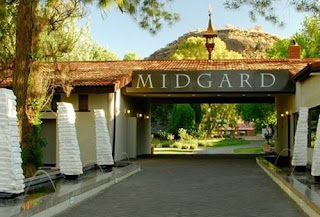
Today they invite guests to enjoy the tranquillity, “Midgard”, a word found in Old Norse, Middle English and High German languages, has varying meanings, but is popularly thought to mean “A paradise where the earth rises again, fertile and green, creating a protected world and a safe empire for the people”.    It’s an intimate world. One which offers 46 newly decorated and fully equipped rooms, Carl’s Dining Room & Bar, the African Boma, two swimming pools, the Pool Bar & BBQ Terrace, gym and sauna, and a private skittle alley (Kegelbahn). These are all spaciously situated in a sprawling country garden,  Guests are free to soak up the ambience and enjoy doing absolutely nothing; or they can explore our activities such as hiking and mountain trails, drive along 4x4 tracks, play volley ball, tennis, table tennis, pool or outdoor chess  A sundowner drive to Hilltop, where guests can enjoy a stunning 360° view over the Otjihavero Mountains and watch the sun set with sundowners in hand.

Today they invite guests to enjoy the tranquillity. “Midgard”, a word found in Old Norse, Middle English and High German languages, has varying meanings, but is popularly thought to mean “A paradise where the earth rises again, fertile and green, creating a protected world and a safe empire for the people”.  


It’s an intimate world. One which offers 46 newly decorated and fully equipped rooms, Carl’s Dining Room & Bar, the African Boma, two swimming pools, the Pool Bar & BBQ Terrace, gym and sauna, and a private skittle alley (Kegelbahn). These are all spaciously situated in a sprawling country garden.

Today they invite guests to enjoy the tranquillity, “Midgard”, a word found in Old Norse, Middle English and High German languages, has varying meanings, but is popularly thought to mean “A paradise where the earth rises again, fertile and green, creating a protected world and a safe empire for the people”.    It’s an intimate world. One which offers 46 newly decorated and fully equipped rooms, Carl’s Dining Room & Bar, the African Boma, two swimming pools, the Pool Bar & BBQ Terrace, gym and sauna, and a private skittle alley (Kegelbahn). These are all spaciously situated in a sprawling country garden,  Guests are free to soak up the ambience and enjoy doing absolutely nothing; or they can explore our activities such as hiking and mountain trails, drive along 4x4 tracks, play volley ball, tennis, table tennis, pool or outdoor chess  A sundowner drive to Hilltop, where guests can enjoy a stunning 360° view over the Otjihavero Mountains and watch the sun set with sundowners in hand.

Guests are free to soak up the ambience and enjoy doing absolutely nothing; or they can explore our activities such as hiking and mountain trails, drive along 4x4 tracks, play volley ball, tennis, table tennis, pool or outdoor chess.


A sundowner drive to Hilltop, where guests can enjoy a stunning 360° view over the Otjihavero Mountains and watch the sun set with sundowners in hand.

For more information please contact us at 

Wednesday, May 27, 2015

Gorgeous places in Namibia

Day Trips From Windhoek

There are several recreation resorts and guest farms close enough to Windhoek in the Central Region for a day and weekend excursions.

Daan Viljoen
 
 
Daan Viljoen is a place that nature and wildlife lovers can explore, by means of self-guide, in safety on short game drive, walks and hikes.

Gross-Barmen Hot Springs
 
 
Gross Barmen is located around 100 km from the capital city of Windhoek, nestled on the banks of a tributary of the Swakop River. Set between rows of palm trees, green lawns and many pleasant walks, the resort is ideal for all ages. Gross Barmen includes facilities for spa & wellness, fitness, recreation, and leisure.


Von Bach Dam Resort is located on the outskirts of the Auas mountains and is filled by the Swakop river, acting as Windhoek’s main water source. It’s surroundings include Namibia’s most remarkable wildlife species. Von Bach offers all its guests the recreation and relaxation only nature’s finest can provide.

Hardap Recreation Resort

http://www.namibiareservations.com/marientale.html

This resort is situated at the Hardap Dam, Namibia's biggest reservoir. The resort is close to Mariental in southern Namibia and there is a game reserve is on the southern side of the dam. The route offers picturesque views of the dam, and is home to rhino, gemsbok, Hartmann's Zebra, kudu, ostrich, springbok and steenbok. Hardap lies 250Km south of Windhoek.

For more information please contact us at 

Monday, May 18, 2015

Explore Kaokoland - Namibia


Kaokoland is one of the last remaining wilderness areas in Southern Africa. It is a world of incredible mountain scenery, a refuge for the rare desert dwelling elephant, black rhino and giraffe and the home of the Himba people. Although it is harsh and offers little respite at midday, the rugged landscape is especially attractive during the early morning and late afternoon when it is transformed into softly glowing pastel shades.


The topography in the south of the area is characterised by rugged mountains which are dissected by numerous watercourses, but north of the Hoarusib River the scenery is dominated by table-top koppies. Still further north, the Otjihipa Mountains rise abruptly above the Namib floor to form the eastern boundary of the Marienfluss, while the west of the valley is defined by the Hartmann Mountains. The Marienfluss valley is very scenic and relatively greener than the Hartmann's valley. Hartmann's valley is closer to the Atlantic and yet much more arid. However, it does have a strange atmosphere when the sea mists drift inland


Kaokoland differs greatly from Damaraland in terms of accessibility and infrastructure. While quite a bit of Damaraland is isolated from the outside world it is really Kaokoland which is the back and beyond, silent, huge and for the most part empty. With 16,000 or so inhabitants, 5,000 of them Himba, Kaokoland has a population density of only one person to every two square kilometers which is about a quarter of the national average.

Kaokoland is bordered on the south the Hoanib River and on the north the Kunene River which also forms Namibia's border with Angola

Accommodation


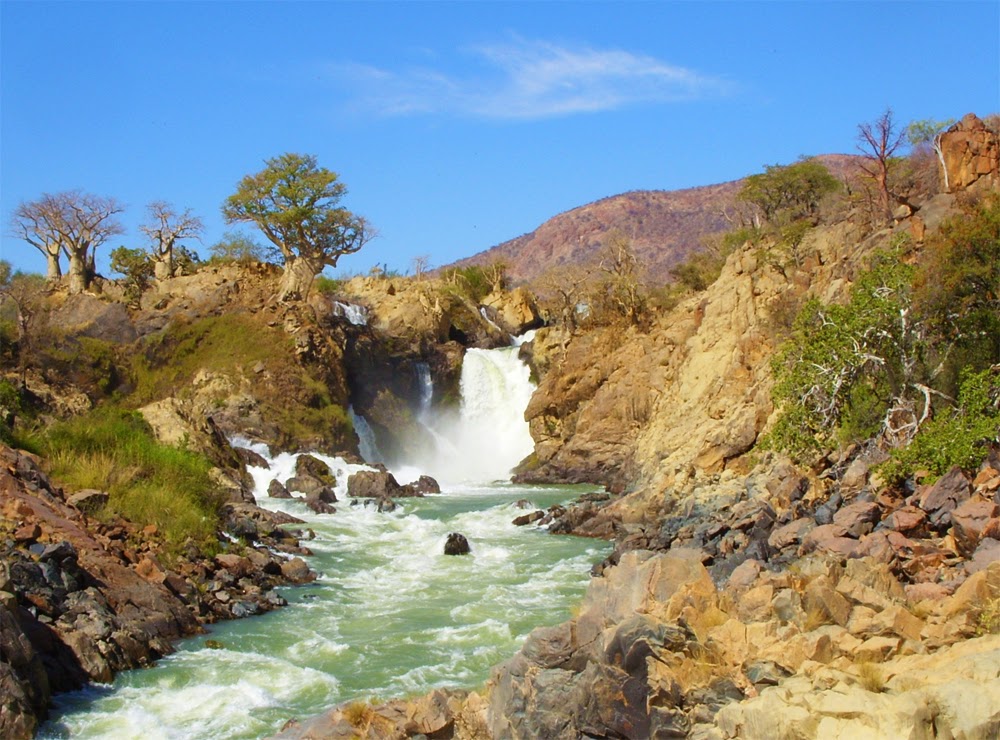
Right here, on the edge of this small desert wonder, is the very heart of Epupa, Epupa Falls Lodge. It has been here forever, since before the arrival of tour buses and self-drive adventurers from every nation across the globe. Back in the day, it was only a campsite with a fantastic view, now it is both lodge and campsite at one of the most marvelous places in Namibia.

Activities


1.Track desert-adapted rhino and elephnat with a qualified guide
2.Visit a Himba Settlement
3.Cool off in a rock pool at Eupupa Falls and some bird-watching.
4. Camp on the banks of the Kunene River

For more information please contact us at 

Friday, March 13, 2015

Cultural experiences in Namibia

Namibia is one of our favourite places for cultural experiences in Africa. Despite having one of the world's lowest population densities, we've found some of our best experiences here, and have really enjoyed the opportunity of getting to know people of a radically different cultural background.

People
Eleven ethnic groups make up the majority of the population, which is overall around two million people, with each tribe contributing its own traditions to the core of Namibian culture. The population is youthful, with 44 percent aged fourteen and under and only 4 percent aged older than 65. About 60 percent live in the far north, where rainfall is sufficient for grain farming.


The oldest inhabitants, the San, are known to be great storytellers and love music, dance and mimicry.


The Nama of the south have a tradition of prose and poetry and a natural talent for music.


 Eight Owambo sub-tribes reside in Namibia, the largest being the Kwanyama. One of the interesting features of the traditional Owambo social system is that lineage is traced through the mother and through maternal ancestors


The Herero are a pastoral cattle-breeding people. Herero women wear Victorian-style dresses adapted from the wives of Rhenish missionaries.


The Himba women (of Herero descent) rub their bodies with a mixture of red ochre and fat, wear traditional body ornaments and garments, and have hairstyles that correspond to their age, sex and social status.

Language
Most Namibians speak Bantu languages like Oshiwambo and Otjiherero as their first language. Others speak Khoisan languages (Nama/Damara and various Bushman languages). Afrikaans is the most widely spoken language, which became popular as a common language during occupation. German is spoken by most of the white population. However, English is the official language, and is mainly spoken by young people and urban dwellers.

For more information please contact us at: