Showing posts with label Tiras Mountains. Show all posts

Friday, August 14, 2015

Jewel of the Tiras Mountains


Namtib Desert Lodge - the jewel of the Tiras Mountains!
The 16 400ha Biosphere nestled in a valley in the Tiras Mountains is situated about half way between Lüderitz and Sossusvlei at the edge of the Namib Desert’s dunes The personal attention given to the guests by the owners makes a stay on the Farm Namtib a memorable experience. 


The fauna and flora of the Biosphere are closely watched by the owners to ensure a healthy balance between nature and human activities.Namtib is true gem of a destination.

http://www.namibiareservations.com/namtib_bioshphere.html

 Surrounded by the beauty of majestic African landscapes - rugged mountains towering over vast open plains – you will experience tranquility, wide open spaces, fascinating unspoilt scenery, breathtaking views, untouched nature and absolute silence

Activities 


Nature drives
Marked botanical trail with information booklet
Bird watching 
Stargazing
Marked hiking trail ( 4 -5 hours )


For more information please contact us at 

Friday, June 5, 2015

Plants and Vegetation in Namibia


Due to the climatic differences within the country, Namibia has a broad variety of plant species from desert and semi-desert vegetation to evergreen subtropical plants.


About 70% of Namibia is savannah. In Central Namibia, thornbush-savannah is dominant with extensive grasslands and acacia bush. Sporadically you see trees, mainly camel-thorn trees and other kinds of acacia which often grow near dry riverbeds. 


East of the Skeleton Coast, the Welwitschia is another desert-adapted species that absorbs dew and precipitation from fog over specially developed structures on their leaves. It grows flat on the ground and has only two leaves from its thick trunk. The leaves continue to grow throughout the long life of the plant. It is hard to determine the age of these plants, but it is believed that they live up to 1,500 years or more. 


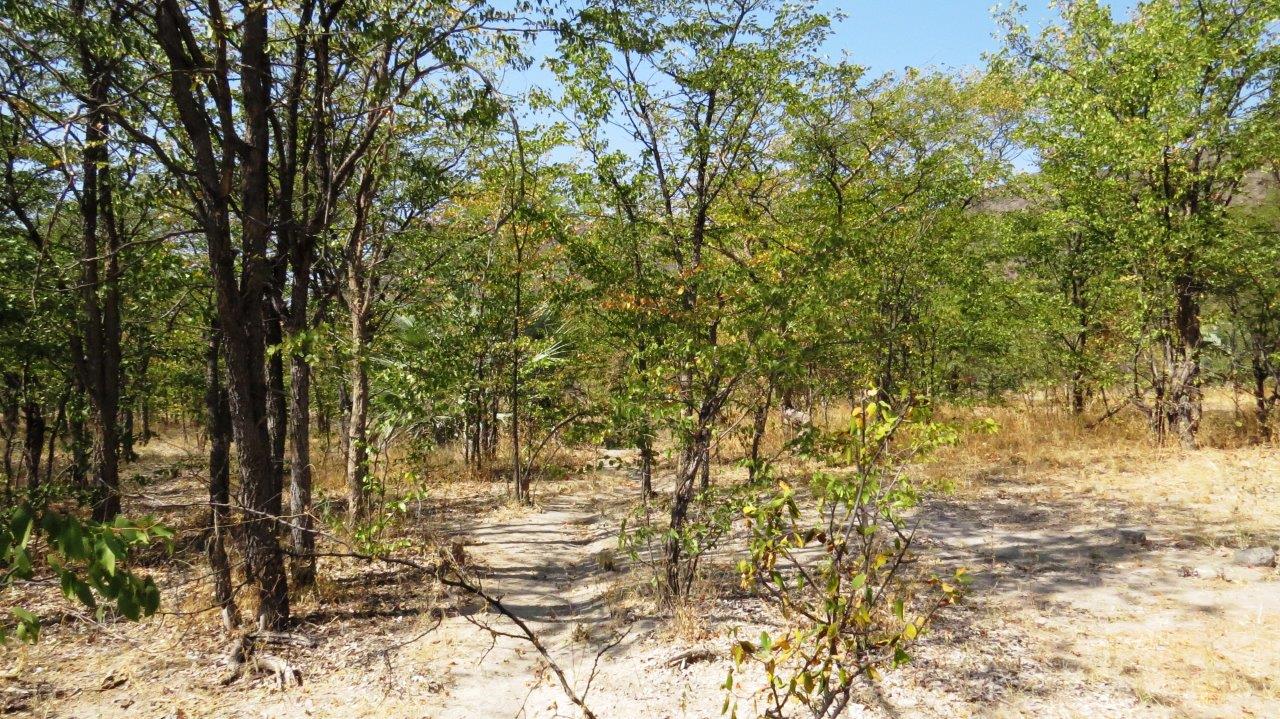
Towards the north-east, where there is a higher rainfall, the thornbush savannah slowly turns into Mopane savannah and there is a greater number of trees. In the relatively humid Caprivi the dominant vegetation form is the woodland savannah, interspersed with single baobabs, wild figs and makalani palms.    


Not much grass grows in the arid south of Namibia. Trees are also scarce. Succulents - water-storing plants - can be seen frequently in this region. Most impressive is the Kokerboom or Quivertree, endemic to Namibia and Namaqualand. It can reach a height of 9 metres and is frequently found in the area around Keetmanshoop and in the Tiras Mountains.

For more information please contact us at