Showing posts with label Mopane Tree. Show all posts

Monday, September 14, 2015

Damara Mopane Lodge


    http://www.namibiareservations.com/damara_mopane_lodge.html
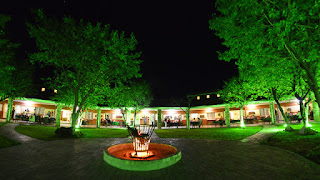
As if an African kingdom of old, Damara Mopane Lodge is constructed in a semi-circle of interlinking pathways leading to a lavish swimming pool at its centre. Innovatively designed, each chalet has its own small garden planted with vegetables.A wash of fresh green brightens the interior as does the heart-shaped mopane leaves stencilled throughout the lodge. Situated near Khorixas en route to the famed Twyfelfontein engravings, Damara Mopane Lodge incorporates the spirit of Damaraland and the Damara people, extending its hand to locals and visitors alike in a 'Hello neighbour' greeting, linking cultures and nationalities.
http://www.namibiareservations.com/damara_mopane_lodge.html


http://www.namibiareservations.com/damara_mopane_lodge.html
 
A highlight at the end of the day is to ascend the hill to a viewing platform for a sweeping vista of the mopane woodland illuminated by the setting sun. It also the best spot for a sundowner drink and to gain a view of the intriguing construction of the lodge.Whether sitting on your stoep looking out onto your vegetable garden, swimming in the pool or celebrating sunset from the deck, this novel and delightful lodge provides a good base from which to explore the rich sandstone treasure of Damaraland. 


For more information please contact us at 

Friday, June 5, 2015

Plants and Vegetation in Namibia


Due to the climatic differences within the country, Namibia has a broad variety of plant species from desert and semi-desert vegetation to evergreen subtropical plants.


About 70% of Namibia is savannah. In Central Namibia, thornbush-savannah is dominant with extensive grasslands and acacia bush. Sporadically you see trees, mainly camel-thorn trees and other kinds of acacia which often grow near dry riverbeds. 


East of the Skeleton Coast, the Welwitschia is another desert-adapted species that absorbs dew and precipitation from fog over specially developed structures on their leaves. It grows flat on the ground and has only two leaves from its thick trunk. The leaves continue to grow throughout the long life of the plant. It is hard to determine the age of these plants, but it is believed that they live up to 1,500 years or more. 


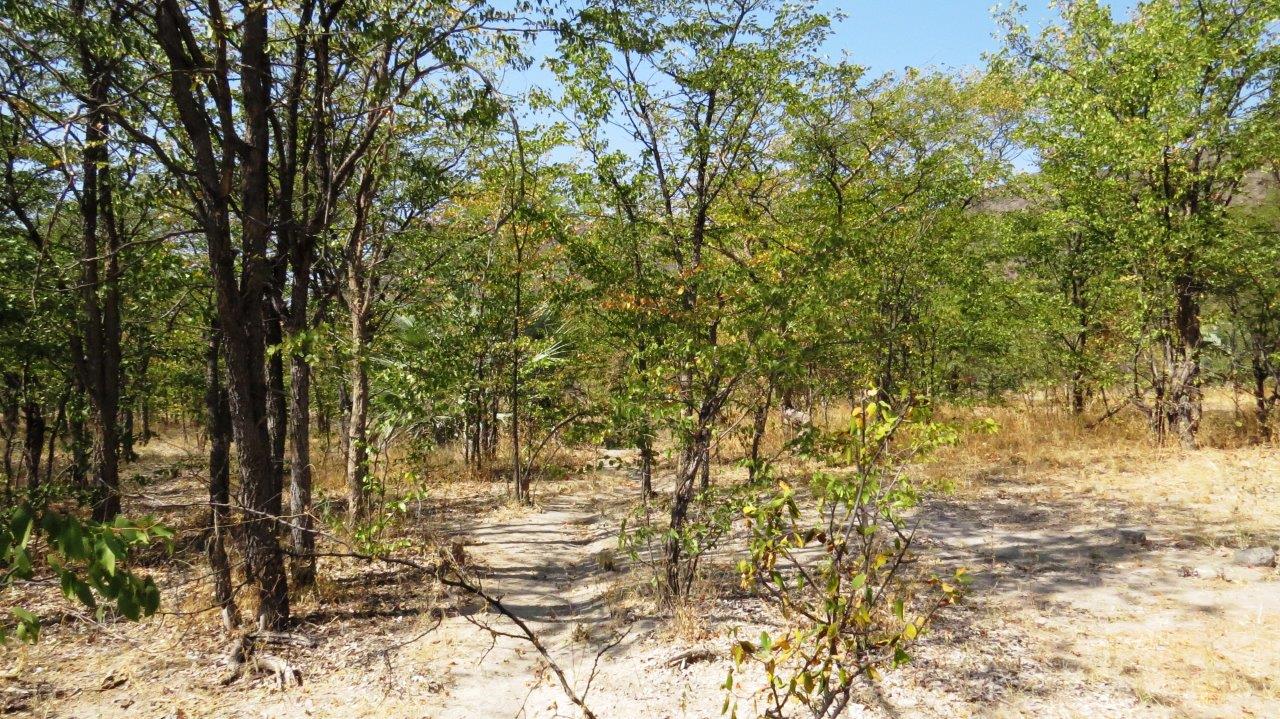
Towards the north-east, where there is a higher rainfall, the thornbush savannah slowly turns into Mopane savannah and there is a greater number of trees. In the relatively humid Caprivi the dominant vegetation form is the woodland savannah, interspersed with single baobabs, wild figs and makalani palms.    


Not much grass grows in the arid south of Namibia. Trees are also scarce. Succulents - water-storing plants - can be seen frequently in this region. Most impressive is the Kokerboom or Quivertree, endemic to Namibia and Namaqualand. It can reach a height of 9 metres and is frequently found in the area around Keetmanshoop and in the Tiras Mountains.

For more information please contact us at